What is a pollinator pathway and why is it important?
Habitat fragmentation is one of the biggest threats facing wildlife in the UK. Lots of species will require different habitats depending on the time of year and their life stage. So, being able to move between habitats to find different food sources is vital. Many crops rely on pollination by solitary bees, bumblebees, wasps, hoverflies, butterflies, moths and beetles. In fact, insect pollination is worth an estimated £690 million to food production in the UK. However, in the last 20 years we’ve seen a 60% decrease in the number of flying insects in the UK, with habitat loss and fragmentation being a major contributing factor.
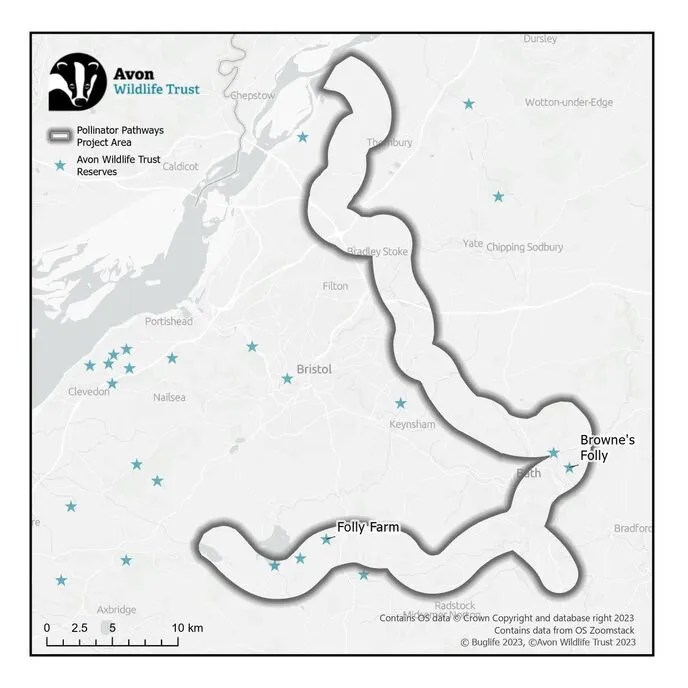
Pollinator Pathways will connect different habitats and allow wildlife to traverse the landscape and access different habitats and by doing so increase the abundance of our struggling pollinator species. Reversing the decline of pollinators in Avon Pollinator Pathways is an innovative two-year project to create and improve pollen-rich habitats and provide a more positive future for pollinators.
By improving the connectivity of pollinator habitats, the project aims to increase the abundance and diversity of pollinators and the availability of well-managed habitats. This will be essential to building resilience for pollinator species as our climate changes.


You must be logged in to post a comment.