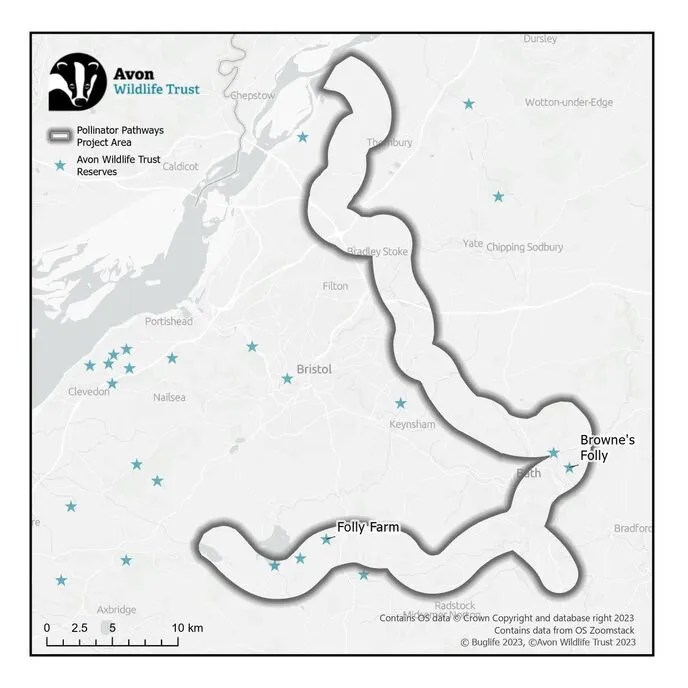
Leap Valley is Part of this Pollinator Pathway Project

What is a pollinator pathway and why is it important? 

Habitat fragmentation is one of the biggest threats facing wildlife in the UK. Lots of species will require different habitats depending on the time of year and their life stage. So, being able to move between habitats to find different food sources is vital. Many crops rely on pollination by solitary bees, bumblebees, wasps, hoverflies, butterflies, moths and beetles. In fact, insect pollination is worth an estimated £690 million to food production in the UK. However, in the last 20 years we’ve seen a 60% decrease in the number of flying insects in the UK, with habitat loss and fragmentation being a major contributing factor. 

Pollinator Pathways will connect different habitats and allow wildlife to traverse the landscape and access different habitats and by doing so increase the abundance of our struggling pollinator species. Reversing the decline of pollinators in Avon Pollinator Pathways is an innovative two-year project to create and improve pollen-rich habitats and provide a more positive future for pollinators.

By improving the connectivity of pollinator habitats, the project aims to increase the abundance and diversity of pollinators and the availability of well-managed habitats. This will be essential to building resilience for pollinator species as our climate changes.
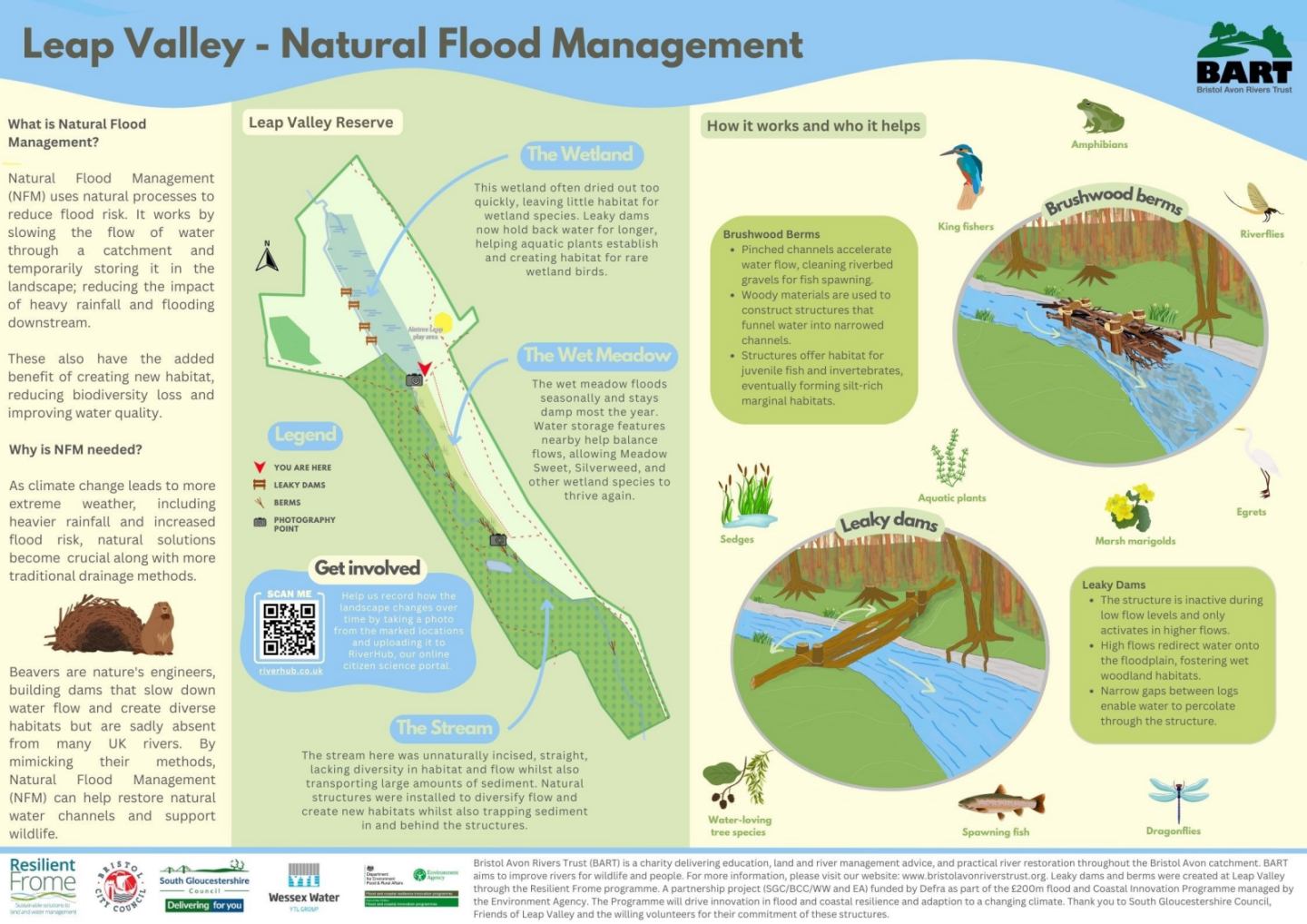
BRISTOL AVON RIVERS TRUST FIXED PHOTOGRAPHY

IMG-3cac4591c44ced05060661afedeaab41-V

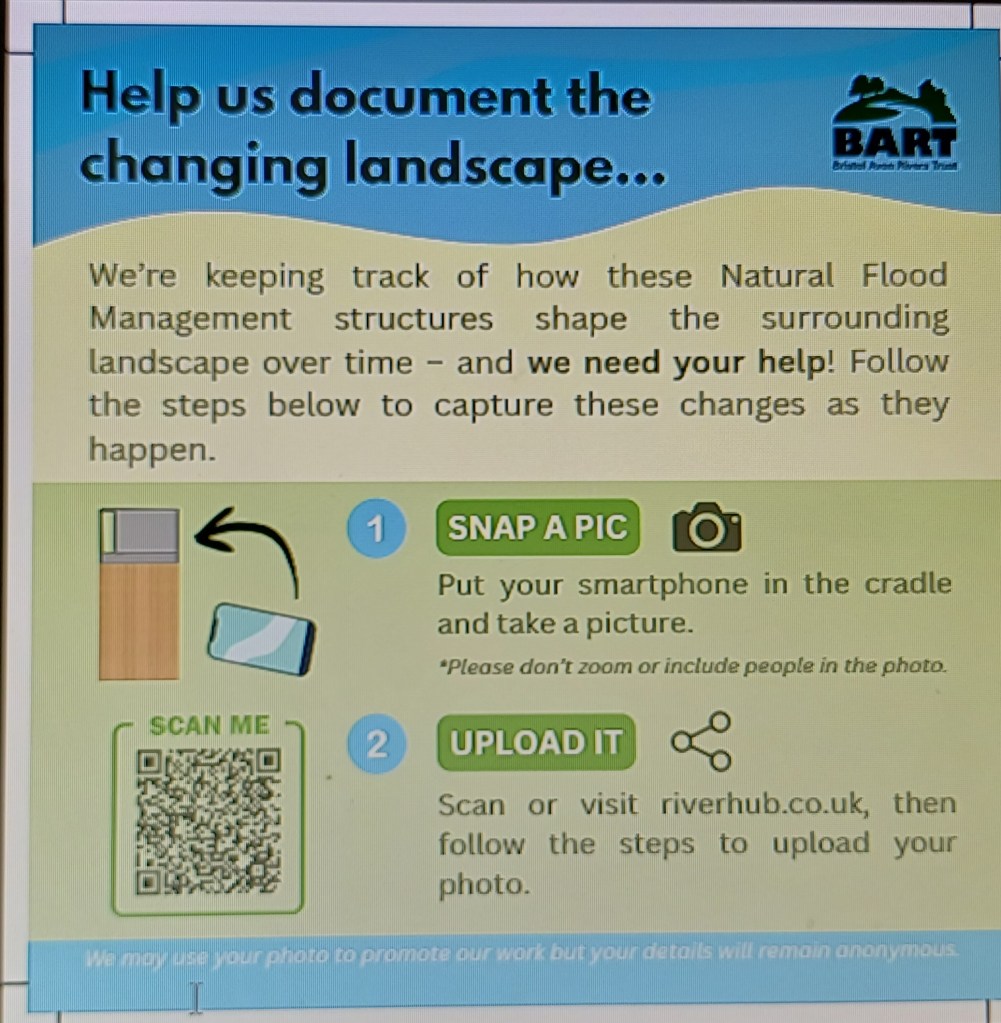
If you have been out in the Valley recently you may have noticed laminated boards at the fence overlooking the Wetland and on the Wooden Bridge. These have been erected by BART to hopefully get the users of the valley to participate in monitoring the effect the Leaky Dams and Berms installed last year are having. Our Wetland is one of the areas chosen by the Resilient Frome Project. The remit is to restore more natural flow patterns in heavily modified urban tributaries and implement nature-based flood management solutions across North Bristol.

I encourage you to take part. Put your camera into the metal fixed point alongside the poster. Take your photo then move your camera to the QR code on the smaller info board. You will be able to upload your photo there. The information will be linked to the RiverHub dashboard.

FUTURE WORKDAYS

As from January 2025 there will be a change to the pattern of the Friends work mornings. Instead of every week, there will be a work morning on the Second Monday each month.

If anyone would like to join our team, then please use the Website as first point of contact.

RENEWEL OF FENCE AND PATHWAY AT THE STONE BRIDGE

Images and explanation of repair to the fence and path at the stone bridge

During the last week SGC have worked to repair both the broken rotted fence and the washed away path by the stone bridge. They have done a great job and we are very grateful. We do so hope the flood water will not cause destruction of both in the future.

Work being carried out in the wetland – Part 2

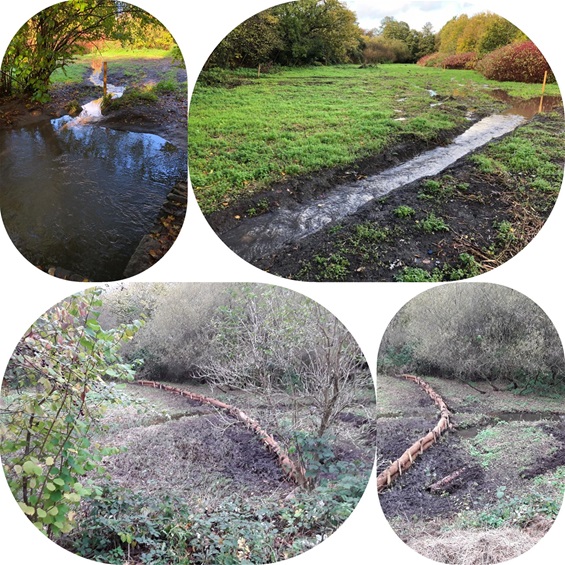
Further to the October news item of work carried out to hopefully allow flood water from the Leap Stream into the Wetland , we are thrilled to show you the below photos. This shows that after the channels had been cut,  flood water did indeed ingress the Wetland. 

Yesterday this project was taken further. The Bund, which had become broken and incapable of holding back water in the Wetland for periods of time, was replaced. Coir rolls held in place with stakes and then planted up with Wetland species was skillfully constructed by a dedicated team. This should now hold  back water in the Wetland for longer periods when the stream is in flood. This in turn will have a beneficial effect on the flood water defenses of the Frome river into which our Leap Stream flows. It will also hopefully restore the biodiversity of the Wetland which had been lost over a period of years. 

Work being carried out in the Wetland – Part 1

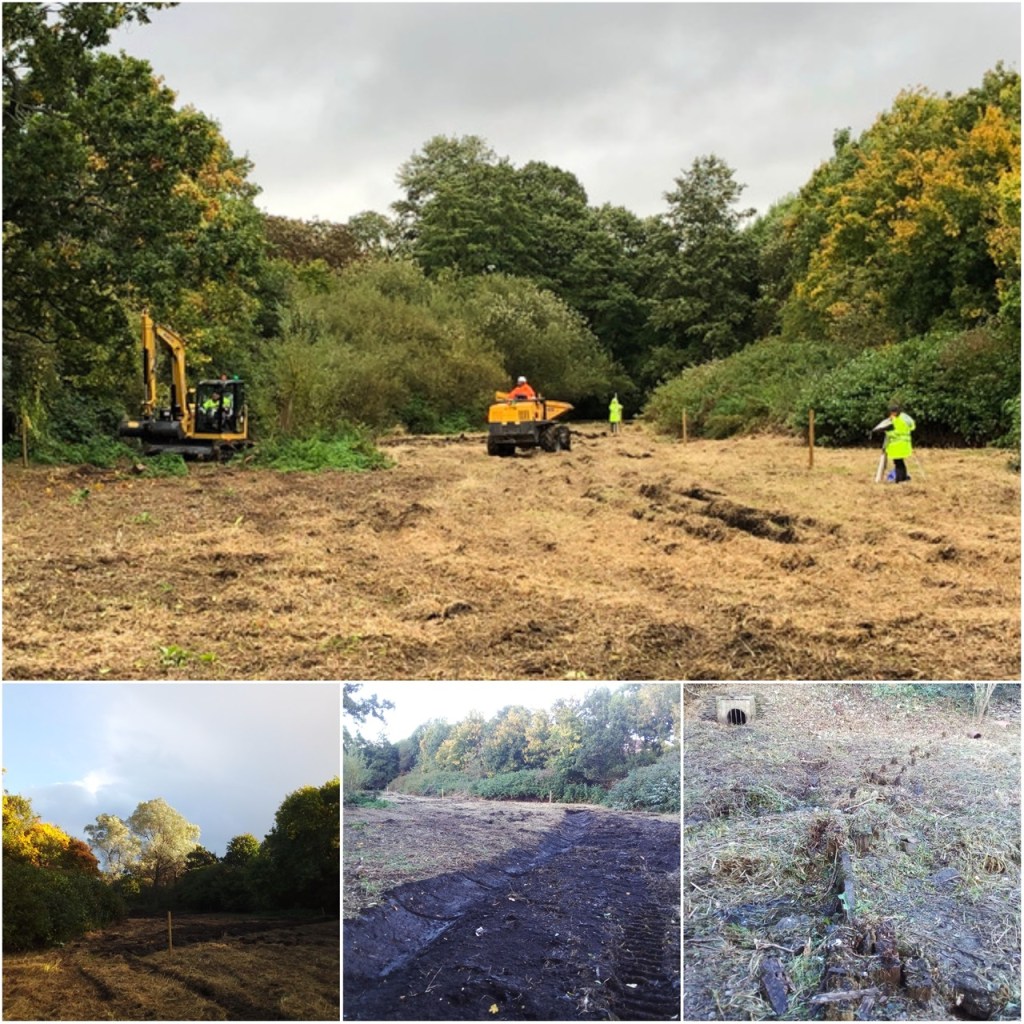
Over the years we have lost the biodiversity of the Wetland due to it becoming increasingly dry.  The Leap stream that used to flood  into it, no longer does. So SGC have arranged for a contractor to dig four channels across the area to allow water to egress across the site. This will hopefully encourage the flora we used to see, into it once more hopefully also having  an effect on the creatures and birds that used to call it home. The Bund which has been in place at the northern end of the Wetland to help retain water is to be investigated to see if it can be repaired, to once again be a functioning component of the Wetland.

Main activities over the last 2 months 13 Dec 2021 to 7 Feb 2022

Part of the hedge along the wetland was relayed and rebuilt.

10 New saplings including Alder and Lime were planted.

An area across the stream has been opened up to improve the view.

The Orchard trees have been pruned and tidied up.

The Dead Winterbourne Plums removed.

Trees in the Valley and Orchard have all been relabelled. They have also been weeded and mulched.

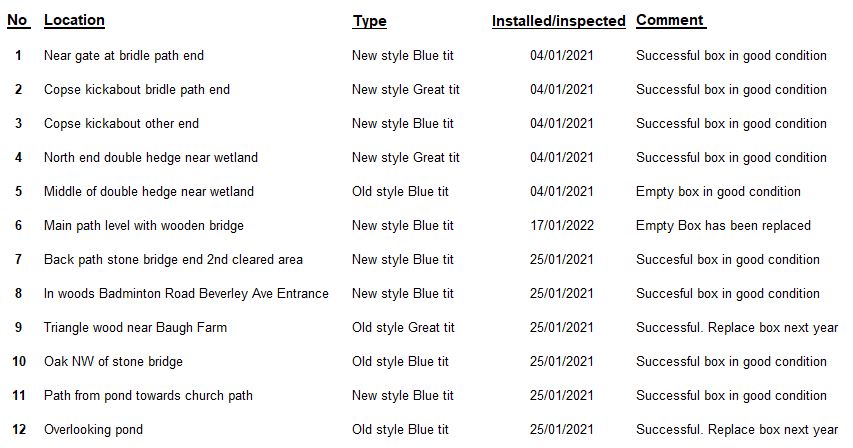
Bird boxes have been surveyed, cleaned out and repaired where necessary. Nine out of the twelve were successful.

Invasive Floating Pennywort and timber were removed from the pond.