Work being carried out in the Wetland – Part 1

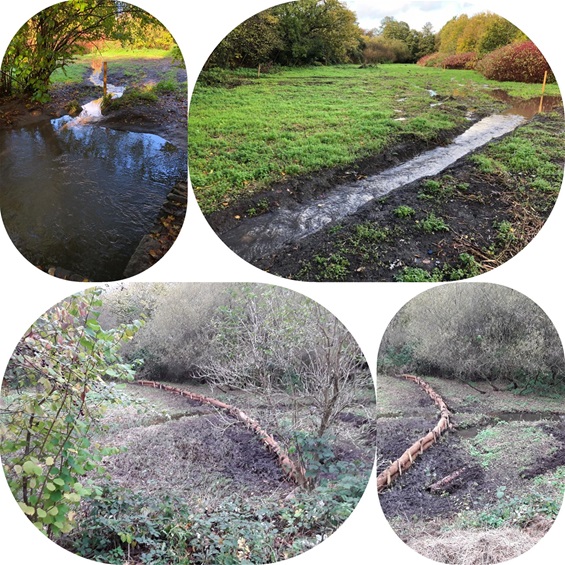
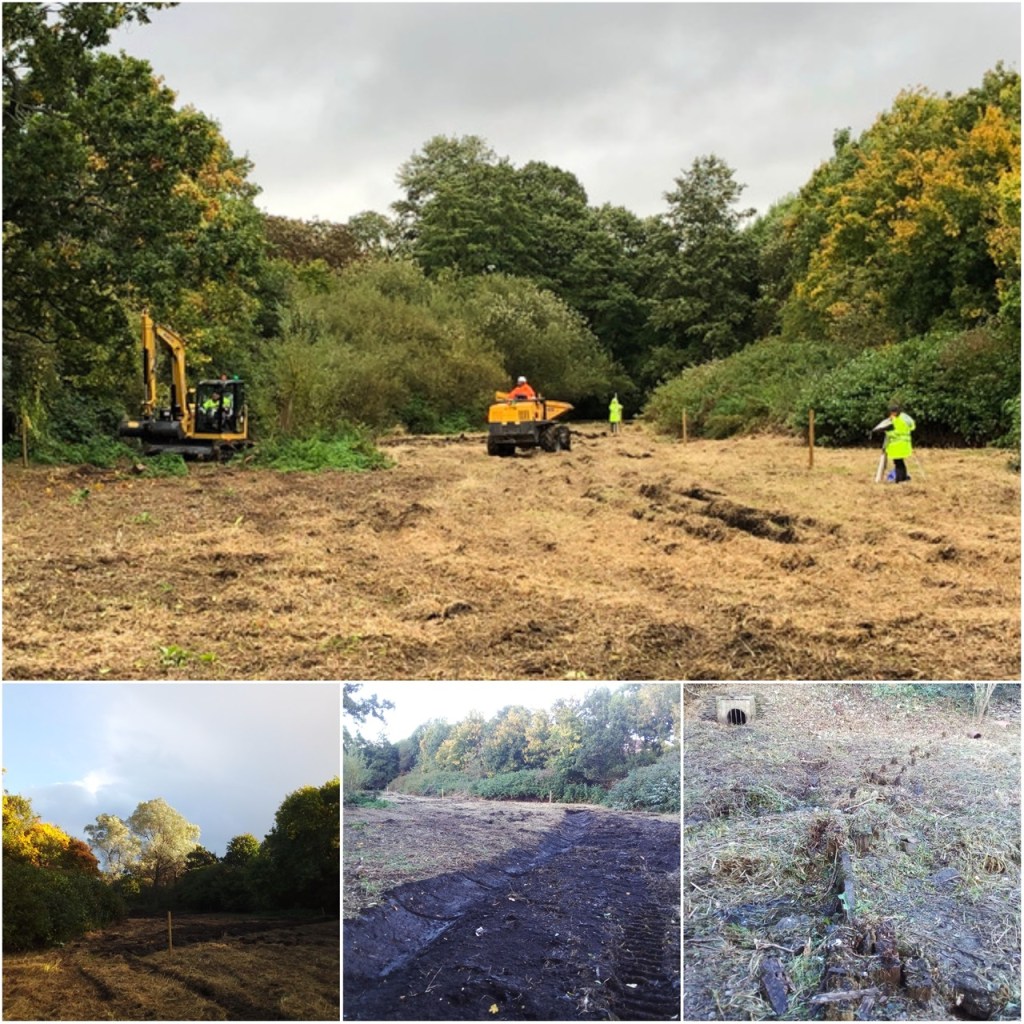
Over the years we have lost the biodiversity of the Wetland due to it becoming increasingly dry.  The Leap stream that used to flood  into it, no longer does. So SGC have arranged for a contractor to dig four channels across the area to allow water to egress across the site. This will hopefully encourage the flora we used to see, into it once more hopefully also having  an effect on the creatures and birds that used to call it home. The Bund which has been in place at the northern end of the Wetland to help retain water is to be investigated to see if it can be repaired, to once again be a functioning component of the Wetland.

Main activities over the last 2 months 13 Dec 2021 to 7 Feb 2022

Part of the hedge along the wetland was relayed and rebuilt.

10 New saplings including Alder and Lime were planted.

An area across the stream has been opened up to improve the view.

The Orchard trees have been pruned and tidied up.

The Dead Winterbourne Plums removed.

Trees in the Valley and Orchard have all been relabelled. They have also been weeded and mulched.

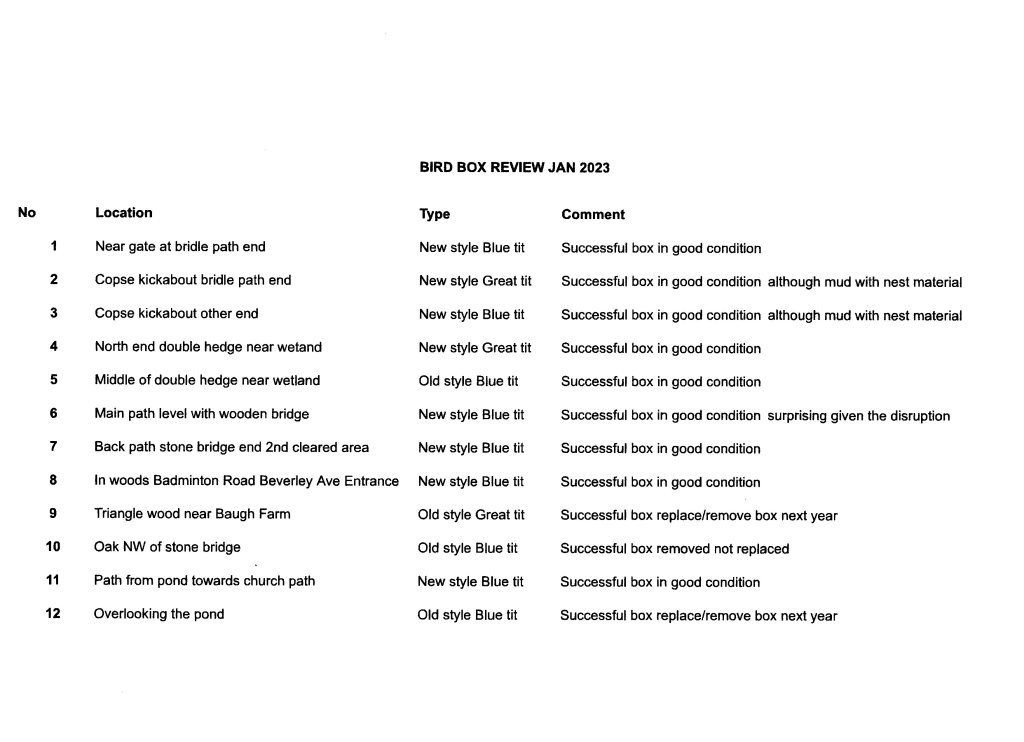
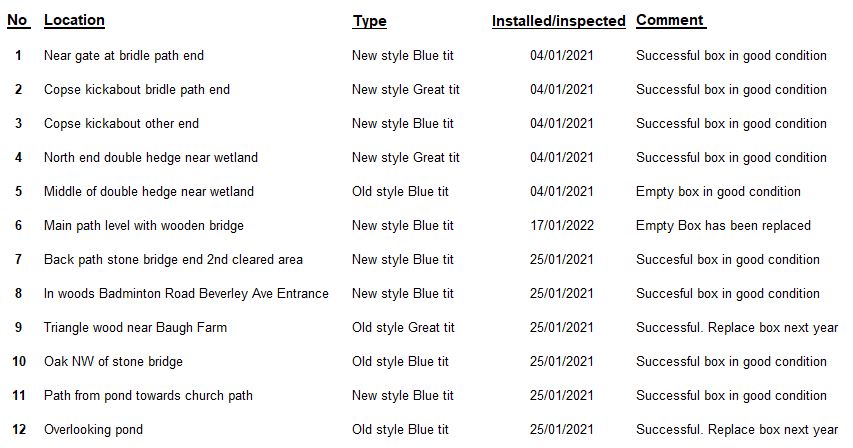
Bird boxes have been surveyed, cleaned out and repaired where necessary. Nine out of the twelve were successful.

Invasive Floating Pennywort and timber were removed from the pond.

Wassailing – January 2022

Traditionally on Twelfth Night or thereabouts men would go with their wassail bowl into the orchard and go about the trees. Slices of bread or toast were laid at the roots and sometimes tied to branches. Cider was also poured over the tree roots. The ceremony is said to “bless” the trees to produce a good crop in the forthcoming season.

Bromley Heath Cider Consortium members and Mary Lewis Chair of Friends of Leap Valley celebrating the ancient rites of Wassailing in the Community Orchard

Update of Work Undertaken Recently

Our stalwart men have clocked up 77 hours of their time, working to enhance our beautiful open space in the last two months.

There was help arranged by South Glos Council to improve the encroachment of Dogwood and Willow into the wetland area. 

Several areas of Blackthorn, either dead or way past their best, have been cleared. 

Paths have been cleared of fallen leaves.

The stream has been kept clear of leaves and branches. 

Wind damaged trees and branches are an ongoing task.

A new nursery area has been created.

11 saplings including Oak, Rowan and Silver Birch have been planted and maintained. 

Many people have commented on the enhancement these ongoing tasks have made to the valley and we are all very grateful to the guys for their work in all weathers.

Interim Meeting held 5th October 2021

‘Our Boys’ have continued to do sterling work to maintain and preserve the valley for our continued enjoyment. 

We thought you may like to see what they have been up to and also what needs to be done going forward.

MAIN ACTIVITIES OVER THE LAST 5 MONTHS

128 hours worked between 10/05/21 and 04/10/21

  • A lot of tree damage has taken place. Big willow, small willow, mountain ash etc Fallen timber is in safe places.
  • Nettle and bramble management has been popular.
  • Keeping the stream clear and dealing with blockages.
  • Keeping pond free of timber and Invasive Pennywort
  • Keep newish trees and orchard trees weed free
  • Visit from Elinor (Open Spaces Volunteer Group Coordinator) on 17/05/21

 CURRENT & FUTURE JOBS THROUGH TO SPRING 2022

  • Weed nursery area
  • Keep paths clear as leaves fall
  • Clear pond of weed and timber
  • Coppice /pollard trees along the pond to let in more light. Remove timber and build boundary between church/valley.
  • Remove blackthorn in the heavily shaded area opposite the wooden bridge.
  • Check/clean etc bird boxes
  • Tidy and where necessary relay the hedge to the wetland area.
  • Check and replace tree labels, adjust tree ties, consider removing stakes
  • Prune fruit trees and trees along the valley floor. Remove dead Winterbourne Plums.
  • Space out saplings. Buy more saplings?
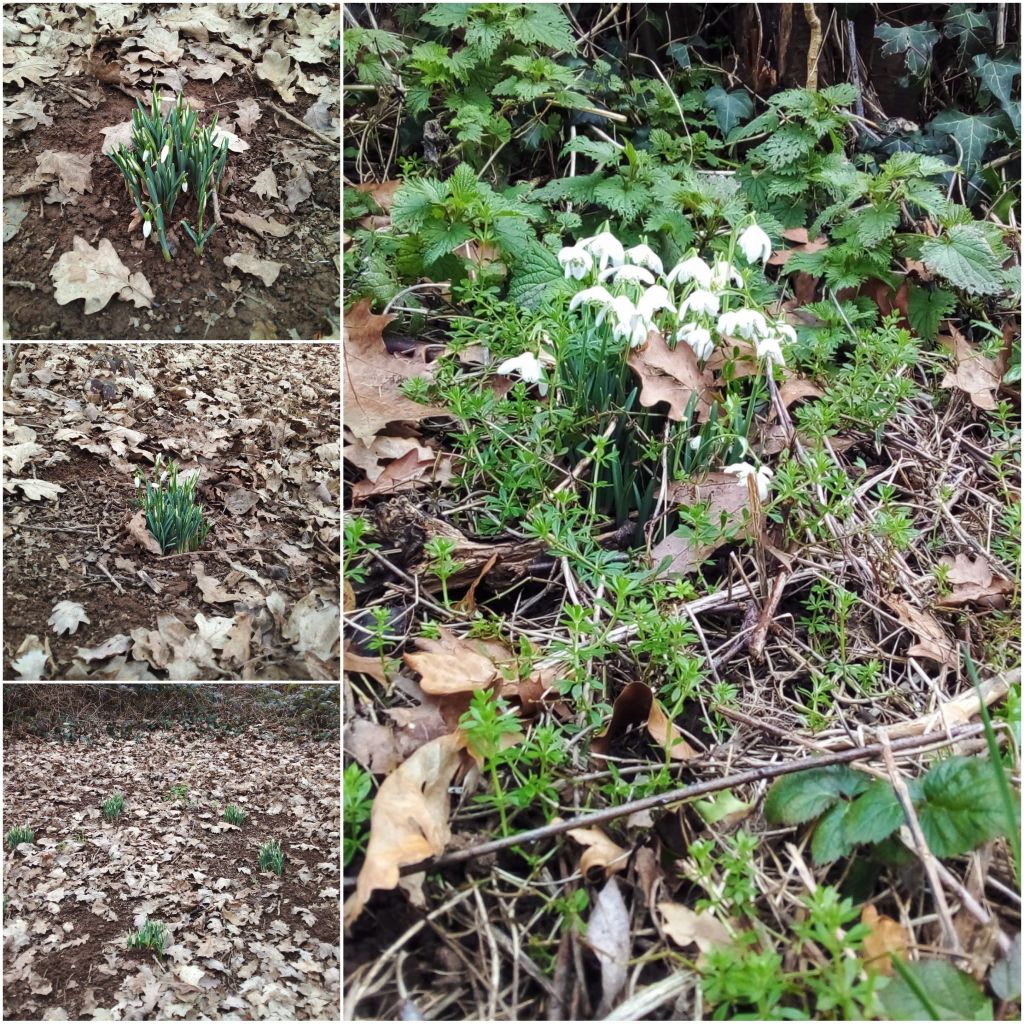
  • Buy more daffs and snowdrops?
  • Remove and or tidy dead trees and drill holes in what remains to create bee posts