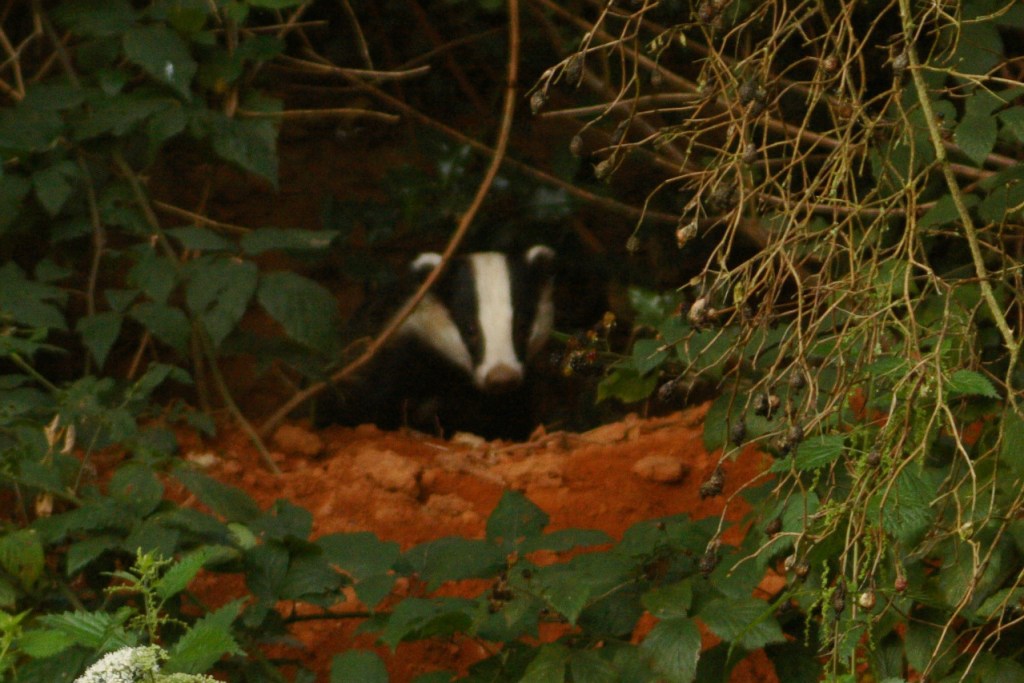
A large variety of birds are recorded here each year and at least 10 species of butterfly are also recorded here annually. Mammals include the pictured Badger, Grey Squirrel, Red Fox and Pipistrelle Bat.
There are about 17 different species of grass in the valley.
The Wetland
The Wetland is a very valuable and vulnerable habitat and is one of the main reasons why it is protected as a nature conservation area.
Snipe are seen here in the winter and the shy Water Rail is also often present between November and March.
The Wetland is being managed to prevent it drying out and to encourage the marsh marigolds.
It also provides a very valuable food source for migrating birds in the late summer before they head off to Africa for our winter.
It is rich in invertebrates such as damselflies and dragonflies including the pictured Southern Hawker.

The Wet Meadow
The wet meadow stays wet much of the time and supports meadow sweet with its fragrant flowers and silverweed. Meadow Sweet was a favourite plant for strewing on castle floors to keep medieval smells at bay!
The Meadow
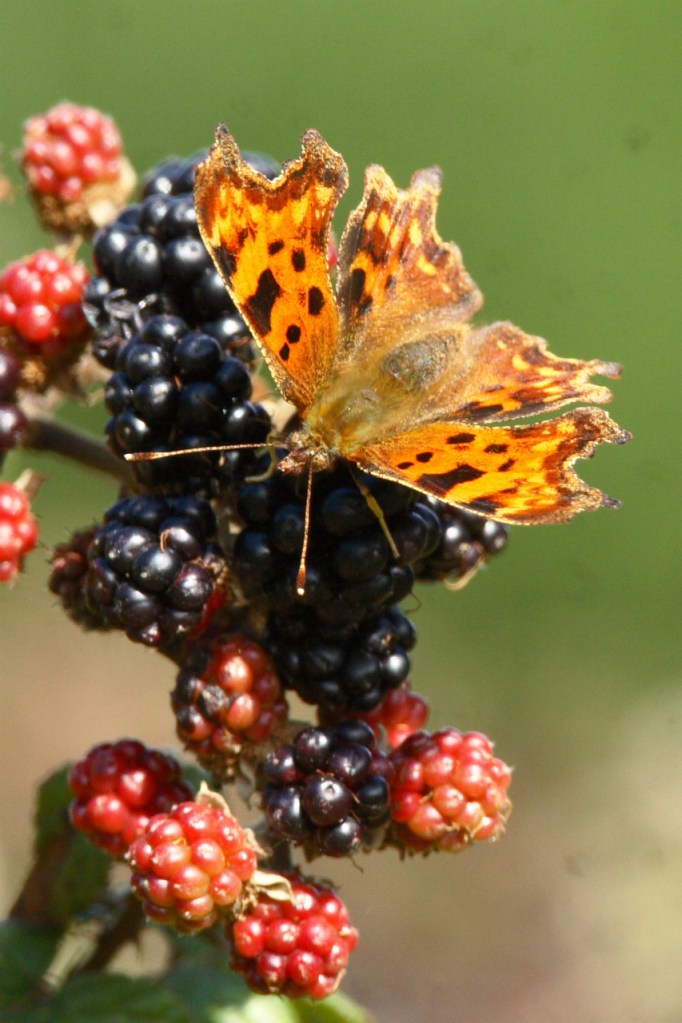
The meadow above the marsh supports a good number of butterflies, including Marbled White. The hedge between the meadow and the marsh is laid on occasion to promote new growth and to allow light into the marsh. The pictured Comma can also be seen.
The Stream
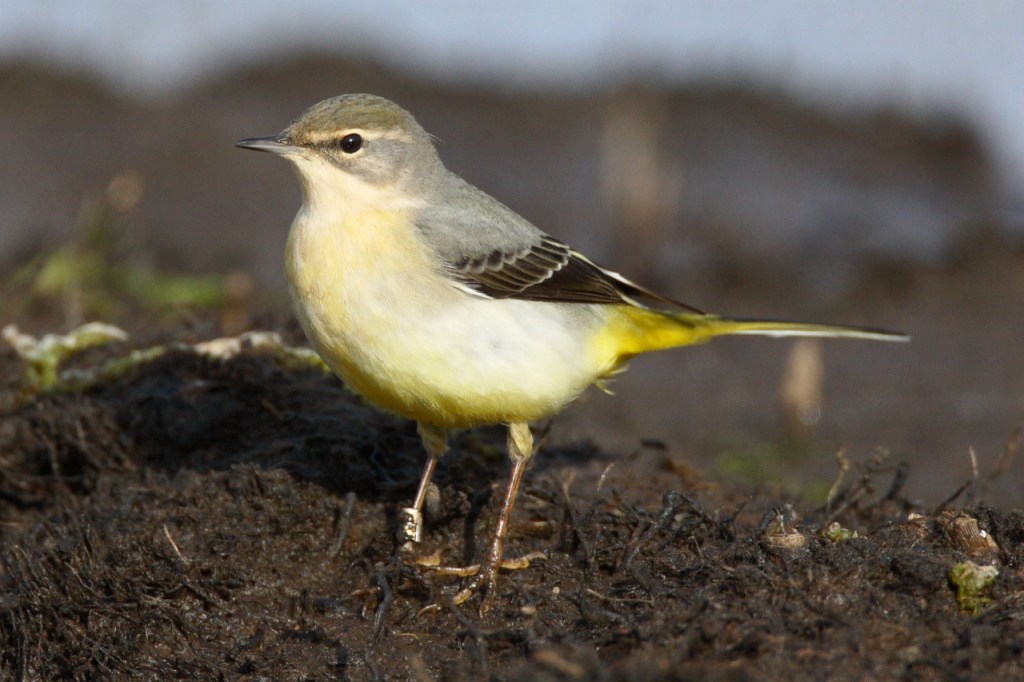
The stream does suffer some pollution from run-off from the roads but if you stand on the bridge you may see sticklebacks swimming below. If you are really lucky you will see the brilliant blue flash of a Kingfisher as it flies past or away from you. However, in winter you are more likely to see the pictured Grey Wagtail.
Blackthorn thickets
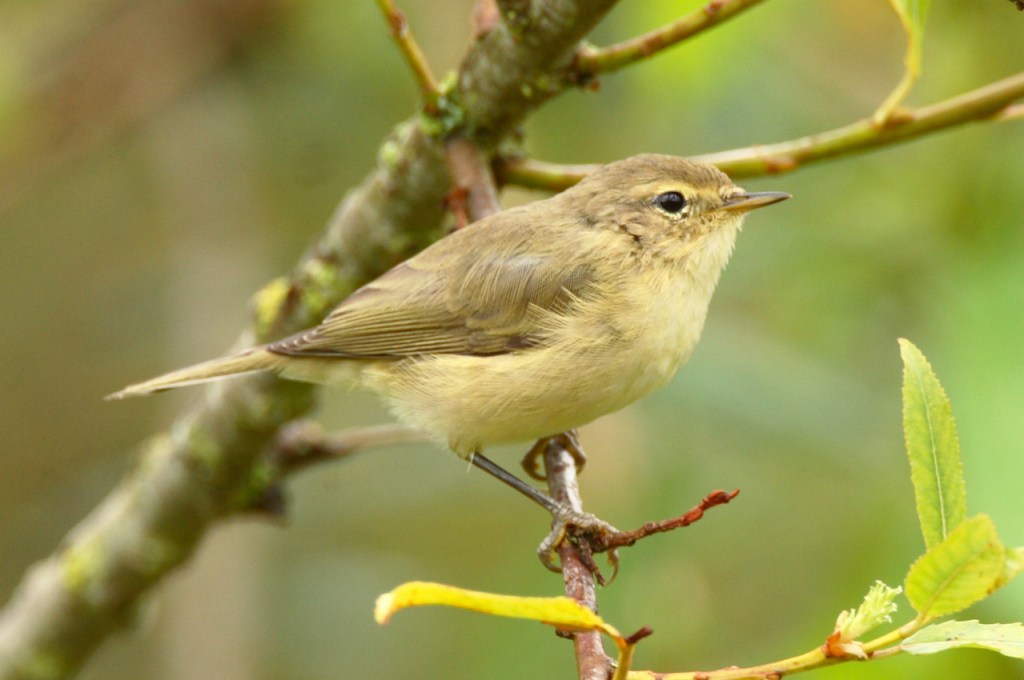
There is a considerable amount of cover in the valley provided by Blackthorn thickets, which is excellent for birds. These include the Blackcap, whose sweet song can regularly be heard in the valley from the first week of April up until at least the end of May. In addition, the pictured Chiffchaff can be heard repeating its name from the end of March.
The Pond
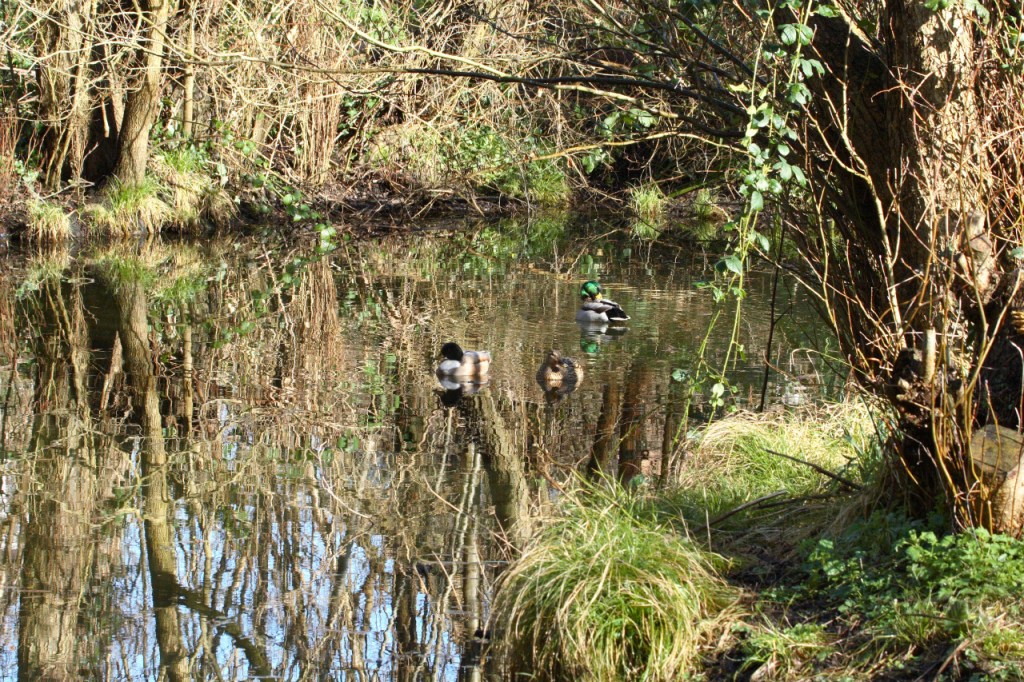
The pond (pictured below) has been here since at least 1840 and was a watering place for cattle. It needs management to stop it becoming too shaded, overgrown and silted up. An annual exercise is required to remove Floating Pennywort, which is a non-native evasive species which blocks light out from the pond. This is necessary to allow frogs to lay spawn and Mallard to feed.
 The Friends of Leap Valley
You must be logged in to post a comment.